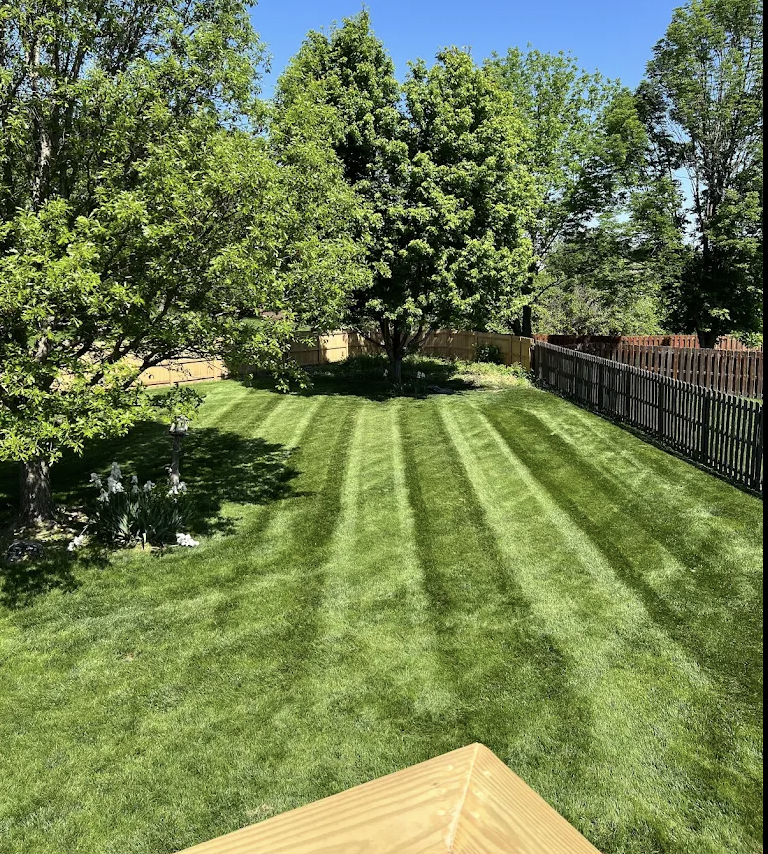
Biodiversity Boost: Creating Wildlife-Friendly Lawns and Gardens Jul 01, 2026
The first step in building a wildlife-friendly lawn is to understand the importance of biodiversity. A landscape rich in diverse plant and animal life not only supports pollinators like bees and butterflies but also attracts birds, small mammals, and beneficial insects. These creatures play crucial roles in the ecosystem, such as natural pest control and pollination.
Begin by assessing your current lawn and identifying areas for potential improvement. If your space primarily consists of a traditional grass lawn, consider replacing some sections with native plants. Native species are adapted to local climate conditions and require less water and maintenance, making them a sustainable choice. By planting a variety of flowers, shrubs, and trees, you provide food and shelter year-round for wildlife.
Incorporating different plant layers in your garden design is another effective way to boost biodiversity. Use a mix of ground covers, mid-level plants, and taller trees to create a variety of habitats. This arrangement encourages a wider range of species to visit your garden.
Water features can be a valuable addition, attracting amphibians, insects, and birds. A small pond or even a birdbath can provide drinking and bathing opportunities for wildlife. Be sure to include stones or sticks as stepping points to help animals access the water safely.
Consider reducing or eliminating the use of chemical pesticides and fertilizers, which can harm beneficial insects and the creatures that feed on them. Instead, opt for organic solutions to maintain lawn health. Composting is an excellent way to enrich the soil naturally and can be done easily with kitchen scraps and yard waste.
Adding nesting boxes or insect hotels can cater to specific wildlife needs. Bees, for instance, benefit from wooden blocks with drilled holes, serving as nesting sites. Birdhouses and bat boxes offer shelter and encourage these animals to take up residence in your garden. Such structures not only support wildlife but also enhance the visual appeal of your space.
When attracting wildlife, it's crucial to balance your desire for a structured garden with a touch of wildness. Allow a section of your lawn to grow slightly longer or let fallen leaves provide natural mulch. These areas serve as critical habitats for insects and small animals, encouraging a balanced ecosystem.
Finally, cultivating patience and observation skills will reward you with a deeper appreciation of your transformed garden. Watching animals thrive in their newfound habitat can be a source of endless fascination and joy.
By implementing these strategies in your lawn care regime, you can create a wildlife-friendly garden that supports biodiversity. Chief Lawn Care is committed to helping you on this journey, offering expert advice and sustainable lawn care solutions to suit your needs. Let’s work together to make your outdoor space not only beautiful but also a thriving sanctuary for local wildlife.
/filters:no_upscale()/filters:format(webp)/media/814a9d64-5d9b-4474-b111-a5a65aa2c456.webp)