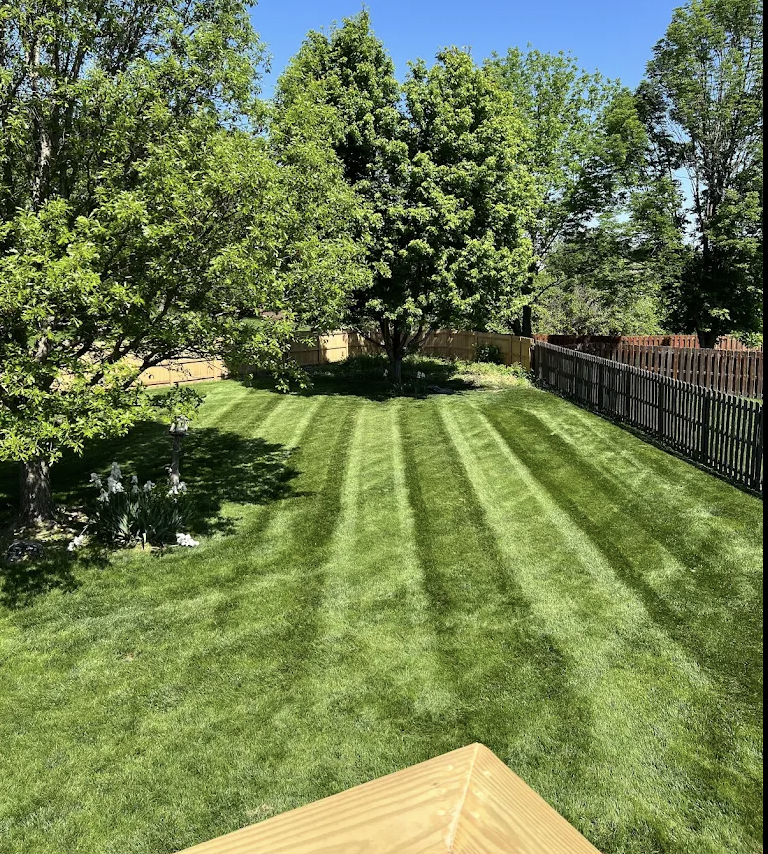
Elevate Your Lawn's Aesthetic with Expert Grass Varieties Selection Jun 18, 2026
Understanding your climate is the first step in selecting the perfect grass variety. Different types of grass thrive in different environments, so it's crucial to know whether your region is categorized as warm-season or cool-season. Warm-season grasses, like Bermuda grass and Zoysia, are better suited to areas with hot summers and mild winters. On the other hand, cool-season grasses such as Kentucky bluegrass and fescue prosper in regions with cold winters and moderate summers. Knowing your local climate will significantly narrow down your choices.
Another important factor to consider is the sun exposure your lawn receives. Some grasses require full sunlight, while others can thrive in shaded areas. If your lawn is bathed in sunshine for most of the day, grasses like Bermuda and Bahia are excellent choices. For those with limited sunlight, fescues or St. Augustine grass, which are shade-tolerant, might be more suitable. Understanding your lawn’s exposure will ensure that your grass not only survives but thrives, maintaining its rich, green color throughout the seasons.
The soil type of your lawn is equally significant. Conducting a soil test can reveal its pH level and nutrient content, guiding you toward the right grass variety for optimal growth. Some grasses, like Bermuda, prefer sandy soils, while others, like bluegrass, flourish in loamy soils. Adjusting your grass selection based on your soil type can prevent common lawn care problems, such as poor drainage or slow growth.
Maintenance level is another crucial consideration. If you desire a low-maintenance lawn, varieties like Zoysia and Bahia might be your best bet, as they require less frequent mowing, fertilization, and watering. Conversely, if you enjoy spending time on lawn care or have access to professional services, choosing a high-maintenance grass like Kentucky bluegrass could be rewarding, as it offers dense, lush texture with regular upkeep.
Investing in the right grass variety also means investing in the overall health of your lawn. The proper grass can resist pests and diseases better than an unsuitable variety. This ecological balance lowers the need for chemical interventions, leading to a more sustainable and environmentally friendly lawn.
Finally, consider your lawn’s intended use. High-traffic areas, like pathways or play spaces for children, demand a tough grass variety such as Bermuda or fescue that withstands frequent activity without wear. For ornamental lawns, softer grasses like bentgrass could provide the elegant appearance and texture you desire.
At Chief Lawn Care, we believe that every lawn has the potential to be uniquely beautiful and functional. By carefully considering the climate, sun exposure, soil type, maintenance needs, and intended use, you can select the perfect grass variety to make your lawn the envy of the neighborhood. Let us help you create a stunning landscape that reflects your personal style and enhances your outdoor living space.
/filters:no_upscale()/filters:format(webp)/media/814a9d64-5d9b-4474-b111-a5a65aa2c456.webp)