Mastering Lawn Mowing: Techniques for a Consistent Cut Apr 26, 2026
A well-maintained lawn begins with careful planning. The key aspect of this planning is understanding your grass type. Different grasses have unique growth patterns and thrive under various mowing heights. For instance, cool-season grasses like Kentucky bluegrass prefer slightly higher cuts, usually between 2.5 to 3.5 inches. Warm-season grasses such as Bermuda grass, on the other hand, do well with shorter cuts, around 1 to 2 inches. Knowing your grass type is the first step in determining the optimal cutting height to ensure uniformity and health.
Before you start mowing, ensuring your equipment is in top condition is critical. A sharp mower blade is essential, as dull blades can tear the grass, leading to a ragged look and increased susceptibility to disease. Regular maintenance, including blade sharpening and oil changes, will not only extend the life of your mower but also enhance the quality of your cuts. At Chief Lawn Care, we recommend checking your mower at the start of each season and periodically throughout to keep it running smoothly.
Timing your mowing sessions appropriately is another crucial factor. The best time to mow your lawn is in the mid-morning, when the dew has dried, and the temperature is cooler. Mowing in the heat of the day can stress the grass, while cutting wet grass can lead to uneven patches and promote fungus growth. Regular mowing is needed to maintain an even cut. Aim to mow frequently enough that you're trimming no more than one-third of the grass blade at a time, as cutting more can shock the plant and inhibit growth.
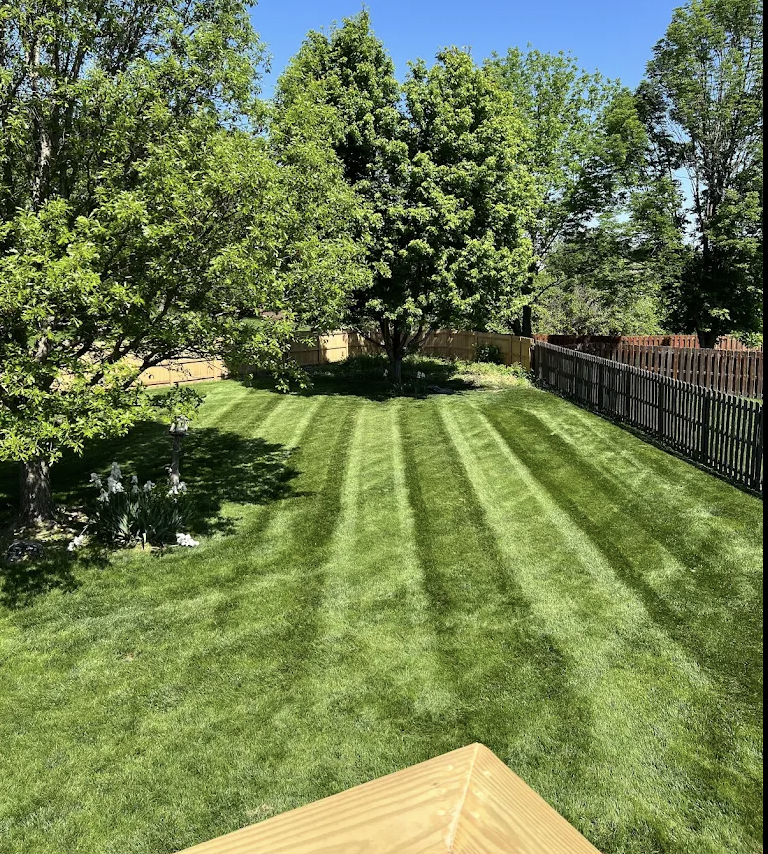
The technique is equally, if not more, important than the tools and timing. Mow in different directions each time to avoid compacting the soil and developing ruts, both of which hinder grass growth. Change your pattern regularly—one week mow north-south, the next east-west. This practice encourages a straight cut and prevents the grass from leaning in one direction.
Additionally, understanding the benefits of grass clippings can enhance your mowing practice. Consider using a mulching mower that evenly disperses clippings back onto the lawn. This natural fertilizer returns valuable nutrients and moisture to the soil, reducing the need for chemical fertilizers. However, ensure clippings are small by mowing regularly; large clumps can smother the grass and lead to disease.
Finally, paying attention to the lawn's edges is a small step that makes a large impact on the overall aesthetic. Use a string trimmer or edger for areas difficult to reach with a mower. Neatly trimmed edges contribute to a polished and professional appearance.
In conclusion, mastering lawn mowing is all about combining knowledge and technique. By understanding your grass type, maintaining your equipment, timing your mowing sessions, varying your mowing patterns, and utilizing grass clippings, you can achieve a pristine lawn. For those who still find themselves overwhelmed, Chief Lawn Care is always here to lend a helping hand, ensuring your outdoor space is as beautiful and healthy as possible.
/filters:no_upscale()/filters:format(webp)/media/814a9d64-5d9b-4474-b111-a5a65aa2c456.webp)