Nurturing Nature: Sustainable Lawn Care Practices for Eco-Conscious Homeowners Jun 15, 2026
One of the simplest steps towards eco-friendly lawn care is conserving water. Traditional lawn care practices often involve excessive watering, which can be harmful to both the lawn and the environment. Instead, opt for a watering schedule that aligns with your region's climate and your lawn's specific needs. It's best to water deeply but infrequently, helping to encourage roots to grow deeper. Installing a rain barrel can also be a fantastic way to collect rainwater, providing a sustainable source of hydration for your lawn.
Switching to organic fertilizers is another effective way to enhance lawn sustainability. Conventional fertilizers can lead to runoff that pollutes local waterways. Organic fertilizers, on the other hand, release nutrients slowly, reduce pollution, and improve soil health. Look for compost-based products or create your own compost pile. This not only reduces waste but also enriches the soil naturally. Organic mulch is another excellent resource for retaining moisture, suppressing weeds, and providing additional nutrients.
Integrating native plants into your landscape is an outstanding strategy for achieving sustainable lawn care. Native plants require less water and are more resistant to local pests and diseases. They also provide essential habitats for local wildlife, such as birds and beneficial insects, encouraging a balanced ecosystem. By diversifying your lawn with native species, you reduce your need for chemical interventions and add unique beauty and diversity to your garden.
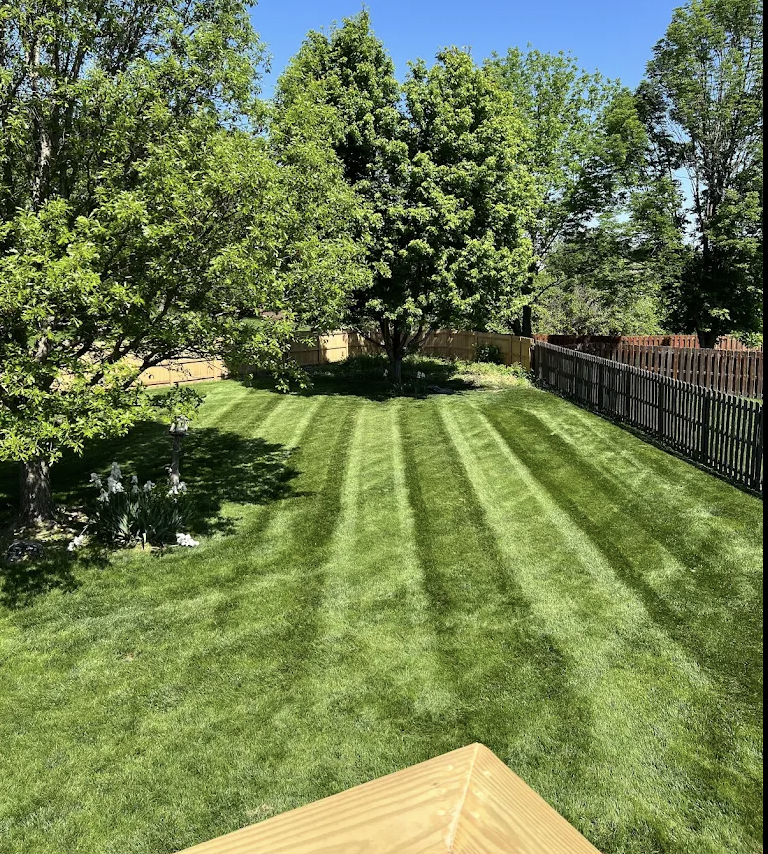
Mowing is a critical task in lawn maintenance, but how and when you mow can impact your lawn's sustainability. Keep your mower blades sharp, as dull blades can tear grass and make your lawn susceptible to disease. Avoid cutting more than one-third off the grass blade at once, as this stresses the grass, leading to more water use and vulnerability to pests. Consider switching to an electric or manual mower to reduce emissions and limit noise pollution. By adhering to these mowing practices, you promote healthier grass that is naturally more resilient.
Control pests with integrated pest management practices. Instead of reaching for harsh chemical pesticides, start by encouraging a balanced ecosystem where natural predators help manage pest populations. Companion planting, where certain plants are used to deter pests or attract beneficial insects, is another technique to maintain a healthy balance.
Finally, perform regular soil tests to understand your lawn's specific needs. Knowing your soil's pH level and nutrient content can help you make informed decisions about what amendments are necessary, ensuring you're not applying more than needed, which can be wasteful and harmful.
At Chief Lawn Care, we strive to provide sustainable lawn and landscape services that align with your eco-conscious values. By adopting these practices, you can enjoy a vibrant lawn that supports environmental health. Embrace these techniques today, and let your lawn be a testament to the beauty and viability of eco-friendly living.
/filters:no_upscale()/filters:format(webp)/media/814a9d64-5d9b-4474-b111-a5a65aa2c456.webp)