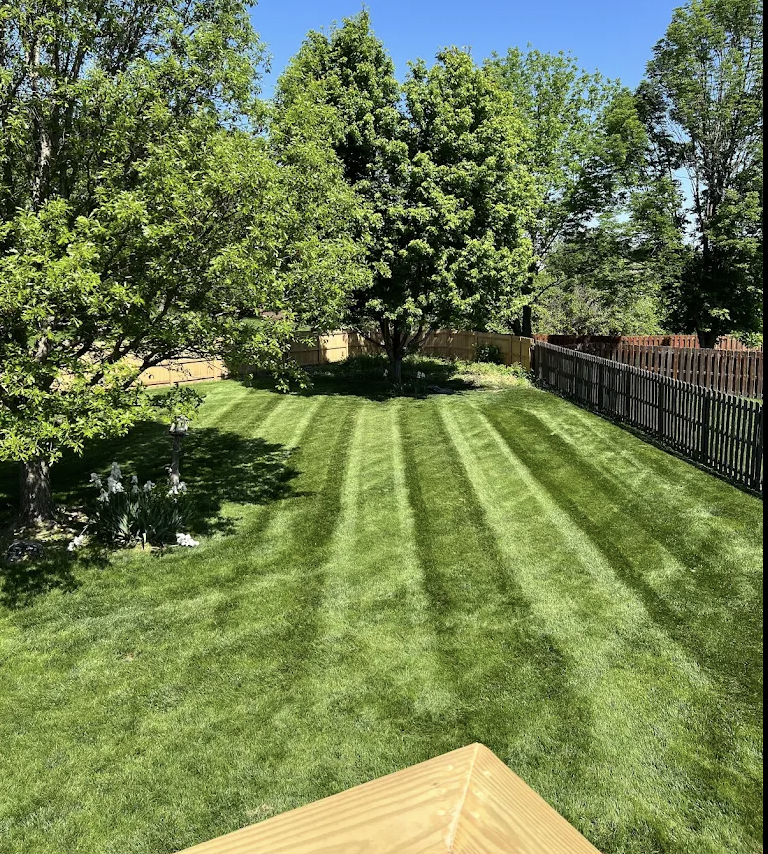
Revitalizing Your Lawn: Aeration Techniques for Better Growth May 14, 2026
Aeration, in essence, is the process of perforating the soil with small holes to allow air, water, and nutrients to penetrate the grass roots. This facilitates the roots to grow deeply, producing a stronger, more vigorous lawn. Why is this so necessary, you might ask? Over time, soil becomes compacted, particularly in high foot traffic areas. Compacted soil prohibits air and water from reaching the roots, leading to poor growth and a lackluster lawn.
There are a few commonly used aeration techniques, each serving different purposes depending on your lawn care needs. The first and most common is core aeration. This method involves using a machine that removes plugs, or "cores," of soil from the lawn. This technique is highly effective in reducing compaction and enhancing soil structure. Additionally, core aeration encourages beneficial microbial activity and enhances nutrient absorption, paving the way for a healthier lawn.
Spike aeration, on the other hand, involves using a machine that pokes holes in the soil without removing any soil cores. While this can be beneficial for lawns that suffer only from moderate compaction, it is not as effective as core aeration for severely compacted lawns. The reason being, spike aeration sometimes can increase compaction around the holes, rendering it less effective in severe cases.
For those looking for a less intrusive method, liquid aeration has been gaining popularity. This technique involves applying natural liquid solutions that break down compacted particles, allowing more access for water, air, and nutrients. While its immediate effects may not be as visible as mechanical aeration methods, liquid aeration has benefits including ease of application and suitability for lawns where mechanical applications are not feasible.
The timing of aeration is also a vital factor to consider. Ideally, aerate your lawn during the growing season; this allows grass to heal and fill in any open areas after soil plugs are removed. For cool-season grasses, early fall or spring are the best times for aeration. For warm-season grasses, late spring through early summer is optimal.
After aeration, proper care is crucial to maximize the benefits of this process. Water the lawn to help the grass recover. It’s also an excellent opportunity to overseed and apply fertilizers, enhancing seed-soil contact, and improving nutrient uptake, ensuring thicker and more lush growth over time.
In conclusion, understanding and applying the right aeration techniques effectively set the foundation for a healthier and more attractive lawn. By allowing air, water, and nutrients to reach deep into the soil, aeration can transform your lawn, making it more resilient to environmental stresses and more appealing throughout the seasons. The experts at Chief Lawn Care are always ready to assist you with professional aeration services, ensuring your lawn looks its best. Consider scheduling an aeration service today and witness the transformation as your lawn rejuvenates with vibrancy and health.
/filters:no_upscale()/filters:format(webp)/media/814a9d64-5d9b-4474-b111-a5a65aa2c456.webp)